

Sports Medicine
Our experienced team is made up of medical professionals who are athletes as well. We know what it’s like to give our all on the court, on the field, on the track and in the gym. And, ultimately, we’re cheering for you –– using all of our expertise to restore your competitive edge.
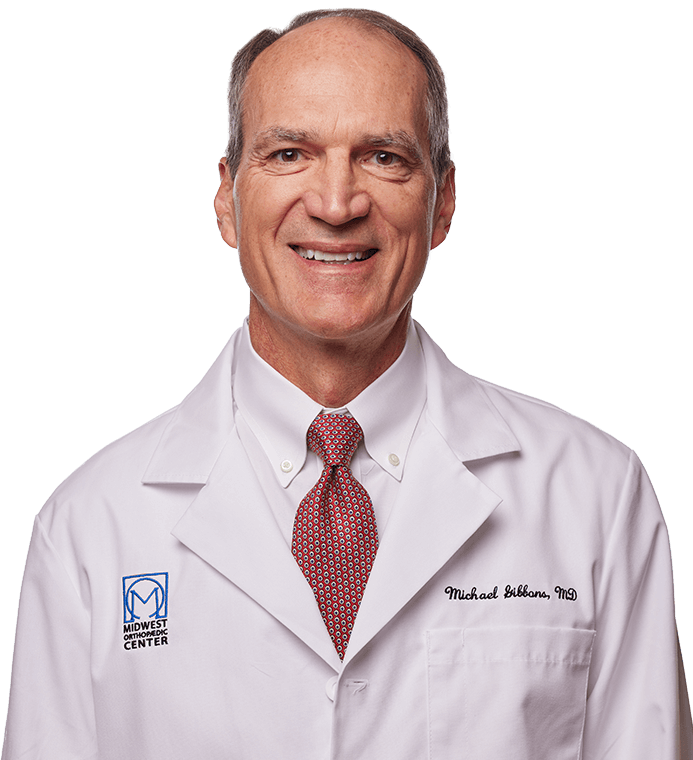
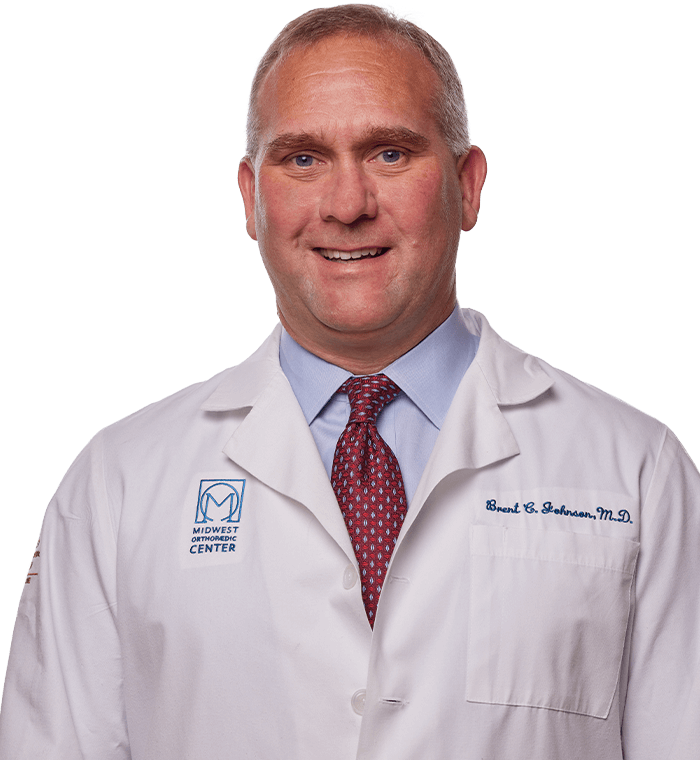
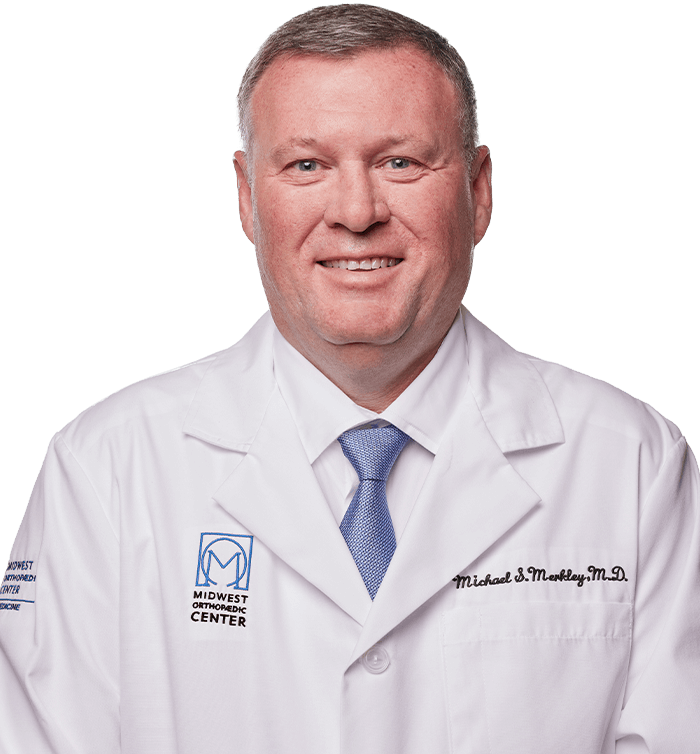
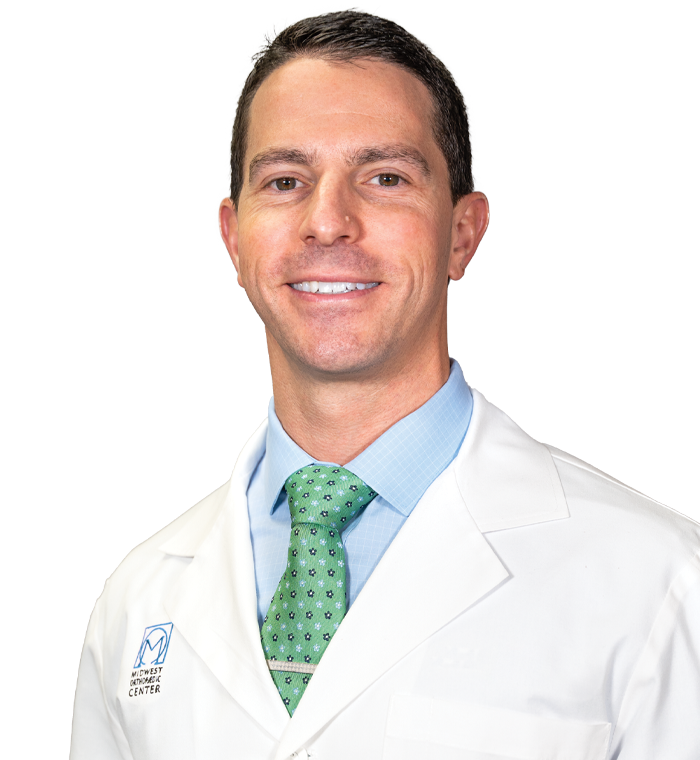
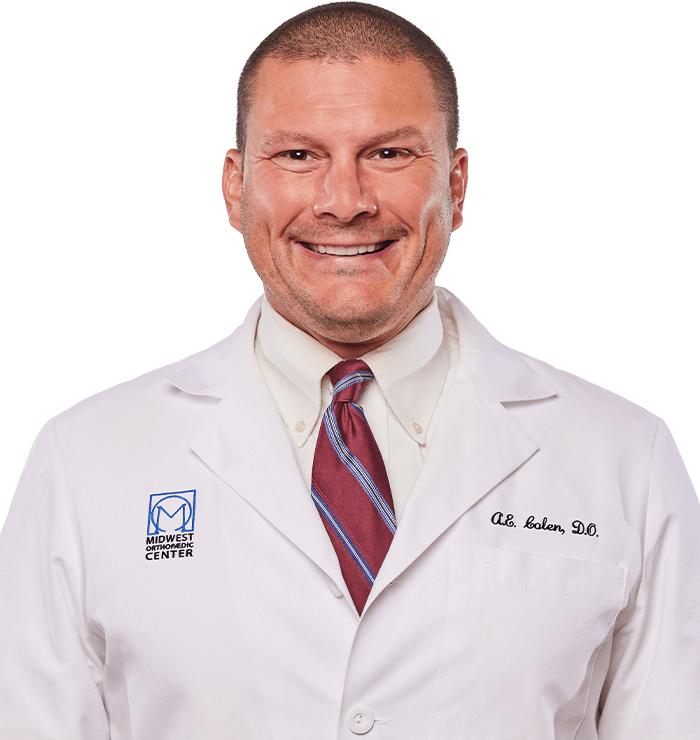
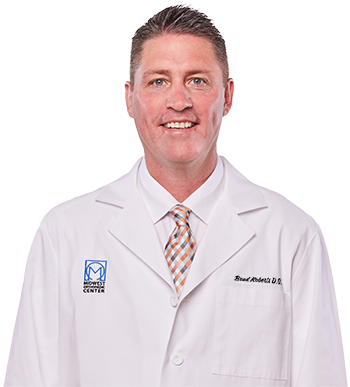
Dr. Gibbons, Dr. Johnson and Dr. Merkley as well as Dr. Colen and Dr. Roberts are accepting new patients in Peoria and Pekin. They, along with the rest of our medical team, offer the following athletic services:
-
- Daily and/or weekly team injury checks
- Extensive treatment for sports-related injuries
- Injury prevention training
- Pre-season physicals
- Pre- and post-injury rehabilitation
- Practice, game and event coverage
- Strengthening and conditioning programs
With top doctors, licensed physical therapists and certified athletic trainers, we help active individuals work through acute injuries and long-term health conditions. Our doors are open for anyone struggling with dislocations, fractures, strains, splints, tears and other injuries. With our treatments, we’ll help you run, jump, dribble, kick, swing, shoot and score.
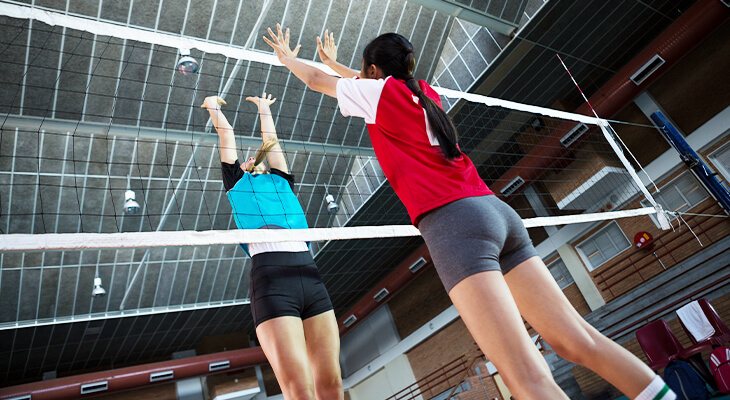
How Sports Medicine Gets You Off the Bench
Regain mobility through services that emphasize rehabilitation and conditioning before, during and after your sports season. Affiliated with high schools and clubs throughout the region and offering the area’s only certified Sportsmetrics™ training – a scientifically-proven injury prevention program for young athletes – Midwest Orthapaedic Center is the home for athletics treatment and sports medicine in Central Illinois and the surrounding area.
At Midwest Orthopaedic Center, we treat the following sports-related health issues:
-
- Achilles tendon injuries
- Cartilage tears
- Concussions
- Hamstring pulls or tears
- Knee ligament tears –– including ACL/MCL injuries
- Plantar fasciitis
- Rotator cuff injuries
- Shin splints
- Shoulder dislocations and instability
- Sprains and strains
- Stress fractures
- Tendonitis and bursitis
- Tennis elbow/golf elbow
As part of your sports medicine treatment, your doctor may recommend physical therapy. With rehabilitation facilities based out of our Peoria and Pekin offices, our licensed physical therapists, occupational therapists and therapy assistants oversee your exercises, stretches and recovery. With top-of-the-line resources and equipment in our weight room, gymnasium and heated pool, we have the perks of a professional training center right in your backyard.
Our team of orthopaedic doctors, surgeons and physical therapists have high standards for their work, and they know what it takes to excel at all levels of athletics. From your first visit at Midwest Orthopaedic Center to your admittance to Midwest Orthopaedic Hospital to your physical therapy exercises in our gym, your doctor will work with you to get you back into playing shape.
To learn more about common orthopaedic conditions, treatments and procedures, including sports medicine, visit OrthoInfo, a database operated by the American Academy of Orthopaedic Surgeons.
The Institutions We Train
As the regional destination for orthopaedic support, here are the programs that we support as team physicians and athletic trainers:

Our Doctors
Meet Our Patients
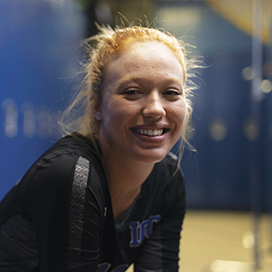
Dr. Johnson was really good to me and was really helpful with my parents, telling us everything that we needed to know.
Raquel Frakes
An ACL reconstruction patient –– from Morton, IL.
Call Us to Set Up an Appointment
Peoria (309) 691-1400
Pekin (309) 691-1400
Midwest Ortho First Walk-In Clinic New Temporary Summer Hours: M-F 9am-5pm | Sat-Sun 9am-noon